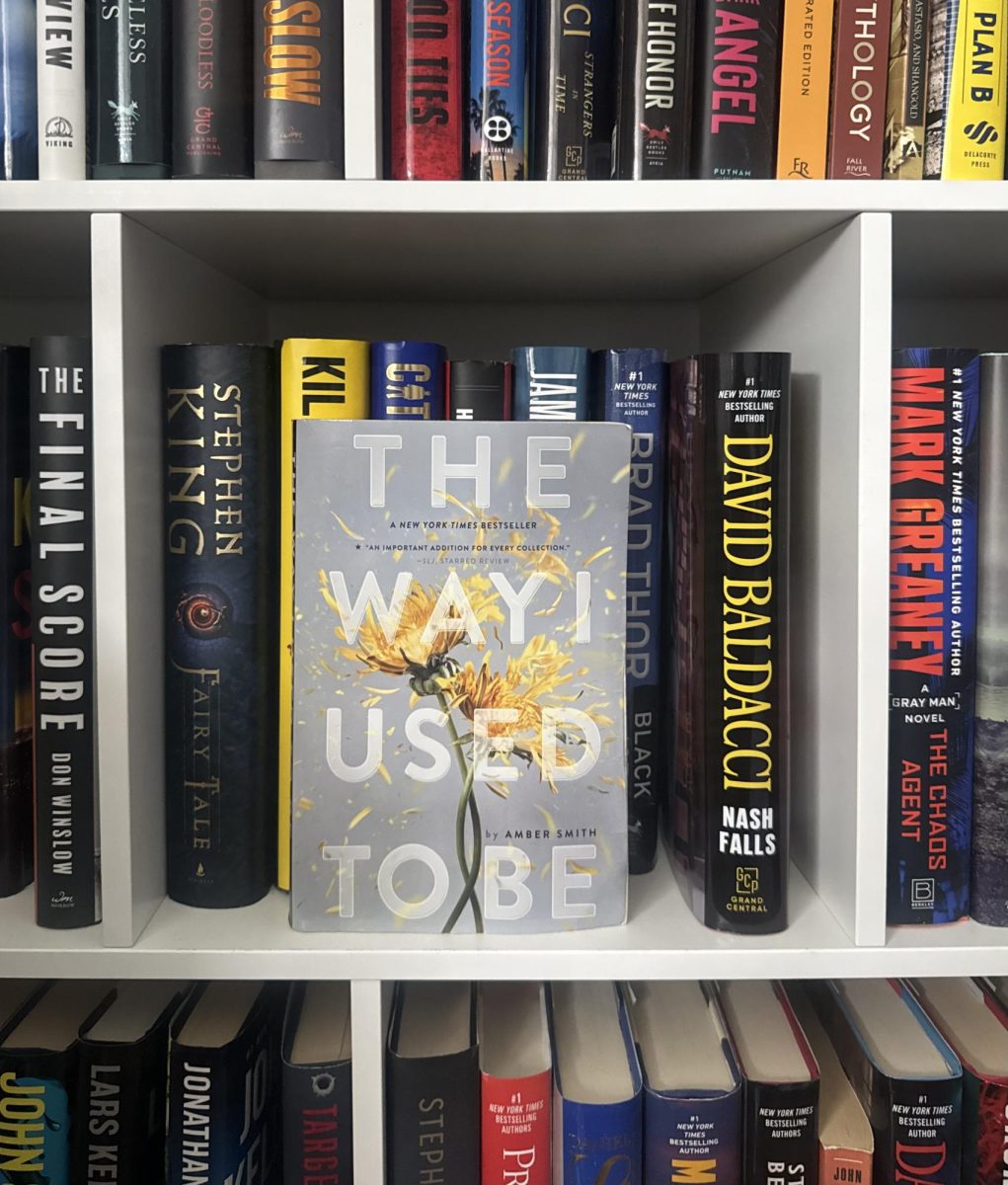
“The Way I Used to Be” by Amber Smith is a young adult novel that follows teen Eden McCrorey through four years of high school as she grapples with the trauma of sexual assault. After dealing with assault at the age of fourteen, Eden’s once simple life became complex. Who she used to love and trust, she now resents. It is easy to say “why didn’t she tell someone” or “if I was a victim I would speak up.” The Way I Used to Be gives honest, heartbreaking insight as to why this is so difficult.
Eden McCrorey
In the beginning of freshman year, Eden McCrorey was assaulted by her brother’s best friend. She decided to keep the experience a secret and pretend nothing in her life has changed. Instead of facing her feelings and dealing with them, she tries to numb them and reinvent herself. In her freshman year, she pulls away from her boyfriend Connor and distances herself from her friends and family. As time went on, Eden made reckless choices like partying and getting into unhealthy relationships. Her behavior causes conflict between her and the people who care about her as she becomes more withdrawn and secretive. Through her sophomore and junior year the secret continues to affect her life and the way she sees herself. By her senior year, the pressure of keeping the truth hidden becomes too much to bear. Eventually, Eden begins to confront what happened, realizing she can’t hide it forever. She confides in her friend Josh and tells him the truth about what happened. Through speaking out, Eden begins to see that what happened was not her fault. She begins to reclaim control of her life. And accept that healing will come from being truthful and seeking support.
Structure
Something unique and essential to the effectiveness of The Way I Used to Be is its structure. The Way I Used to Be is divided into four sections, each representing a year of Eden’s high school life. This structure allows readers to see the long-lasting effects of trauma on her life and who she is. Instead of happening all at once, the story shows how her behavior, relationships, and emotions change as she grows. Beyond demonstrating Eden’s strength as she navigates the effects of her trauma, she also deals with normal parts of adolescence. Eden offers us a different lens to things like first love, first heartbreak, friendship, drinking and partying. The structure makes the story seem realistic and almost allows young adult readers step directly into Eden’s shoes.
Critique
I enjoyed reading The Way I Used to Be, I could barely put it down. As a teenage girl, even though I am not a victim, I relate to Eden, her desire to change herself, and her questionable coping mechanisms. I liked how the author showed Eden coping in unhealthy ways like drinking, pushing people away and being reckless. Instead of presenting healing as something quick or simple, the novel shows how confusing and messy the process can be. One thing I found frustrating was how Eden did not speak up for so long. It annoyed me because I know she could’ve healed much quicker and created deeper meaningful bonds by speaking up. Many of her problems could’ve been avoided if she had told someone earlier. Contrarily, this choice made the story more realistic and provided insight into the difficulty of being a young female victim. An older male abuser who your family and friends know and love can be intimidating. It is easy to think that people wouldn’t believe you. This book was sad, but it made me feel something. Seeing Eden’s eventual redemption and healing was satisfying and I felt attachment to her character. The Way I Used to Be is a great read and I would recommend it to any mature young adult.